
Reading now
6 books

 Facharbeit Finished in 47h 19m
  Mieses Karma Finished in 17h 27m
  Recht Finished in 97h 3m
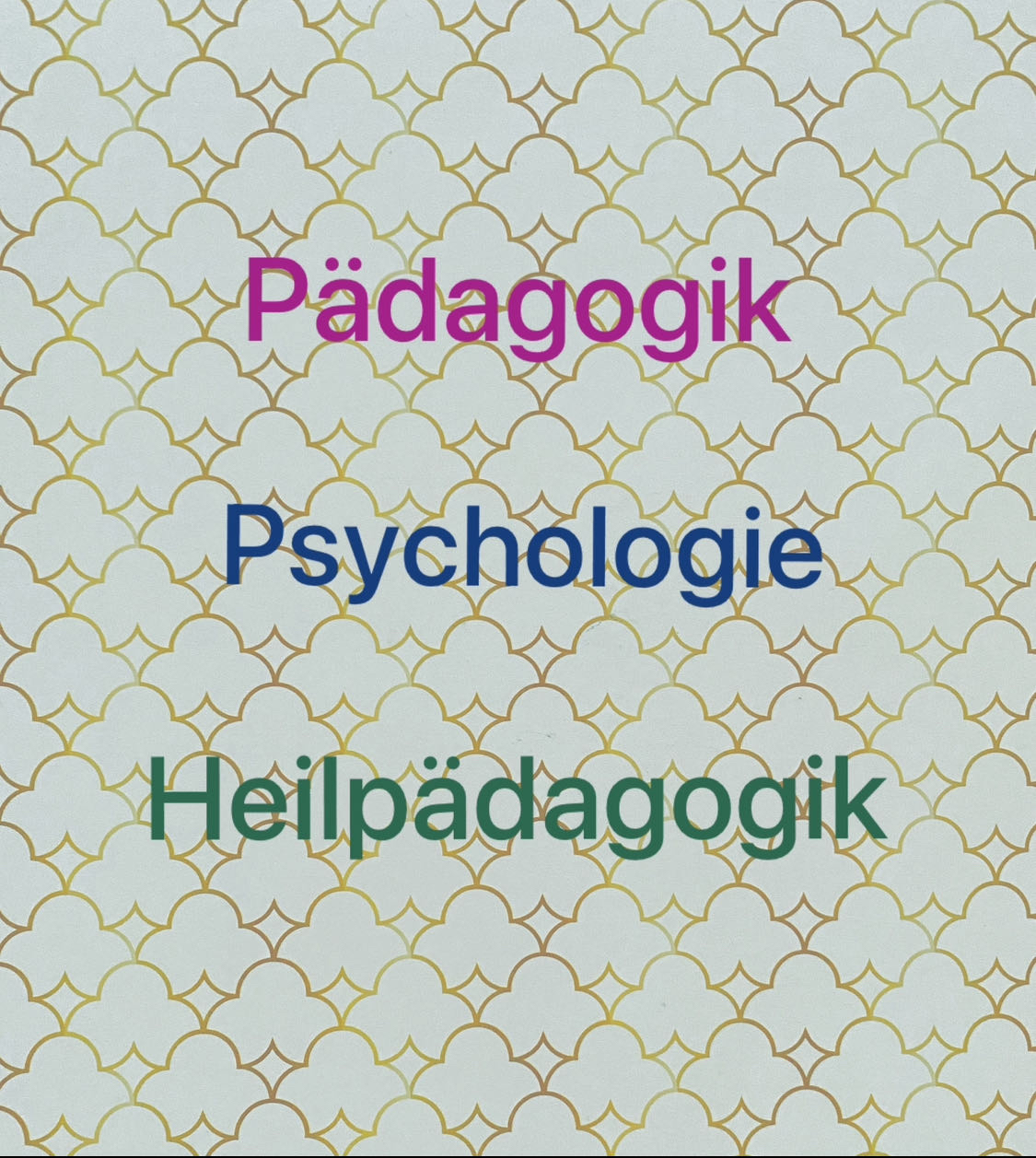
  Päd/.Psych./Heilpäd Finished in 71h 15m
  Soziologie Finished in 37h 10m
  Gesundheit Finished in 28h 5m
  Atomic Habits Finished in 15h 7m
  Deutsch Finished in 23h
  Farm Der Tiere / Animal Farm Finished in 11h 25m
  Praxis-/ Methodenlehre Finished in 34h 2m
  How To Win Friends & Influence People Finished in 16h 33m
  Math./Nat.Bildung Finished in 43h 2m
 Shelves
9 shelves


Notes by book
12 collections
Latest notes
208 notes across 12 booksبند ب از ماده ٢: تأمين آموزش دينى و اخلاقى اطفال مطابق با معتقدات خاص خود آن ها و طبق روش هاى اجراى مربوط به قوانين هر يك از كشورها، علاوه برآن هيج فرد وهيچ گروهى رانبايد مجبور كرد تعليمات دينى مغاير با معتقدات خود بياموزد.
Say good-bye to the cult of flexibility. Flexibility makes you unhappy and tired, and it distracts you from your goals. Chain yourself to your pledges. Uncompromisingly. It's easier to stick to your pledges 100 percent of the time rather than 99 percent.
• Being motivated and curious counts for more than being smart because it leads to action. • It is desire, not intelligence, that prompts behavior.
The process of mastery requires that you progres sively layer improvements on top of one another, each habi building upon the last until a new level of performance has beer reached and a higher range of skills has been internalized.
The only way to become excellent is to be endlessly fascinated by doing the same thing over and over. You have to fall in love with boredom.
The Goldilocks Rule states that humans experience peak motivation when working on tasks that are right on the edge of their current abilities. Not too hard. Not too easy. Just right.
One of the best ways to ensure your habits remain satisfying over the long-run is to pick behaviors that align with your personality and skills. Work hard on the things that come easy.
- One of the most satisfying feelings is the feeling of making progress. - Never miss twice. If you miss one day, try to get back on track as quickly as possible.
With our bad habits, the immediate outcome usually feels good, but the ultimate outcome feels bad. With good habits, it is the reverse: the immediate outcome is unenjoy-able, but the ultimate outcome feels good.
-We are more likely to repeat a behavior when the experience is sat-isfying. - Pleasure teaches your brain that a behavior is worth remembering and repeating.
It's easy not to read a book when the bookshelf is in the corner of the guest room. It's easy not to take your vitamins when they are out of sight in the pantry. When the cues that spark a habit are subtle or hidden, they are easy to ignore.
Habit formation is the process by which a behavior becomes progressively more automatic through repetition. The more you repeat an activity, the more the structure of your brain changes to become efficient at that activity.
One of the most effective things you can do to build better habits is to join a culture where (1) your desired behavior is the normal behavior and (2) you already have something in common with the group.
Whenever you predict that an opportunity will be rewarding, your levels of dopamine spike in anticipation. And whenever dopamine rises, so does your motivation to act. It is the anticipation of a reward —not the fulfillment of it—that gets us to take action.
Habits are a dopamine-driven feedback loop. Every behavior thats highly habit-forming-taking drugs, eating junk food, playing video games, browsing social media-is associated with higher levels of do-pamine.
Give your habits a time and a space to live in the world. The goal is to make the time and location so obvious that, with enough repetition, you get an urge to do the right thing at the right time, even if you can't say why.
* Once our habits become automatic, we stop paying attention to what we are doing. * The process of behavior change always starts with awareness. You need to be aware of your habits before you can change them.
The first purpose of rewards is to satisfy your craving. Second, rewards teach us which actions are worth remembering in the future. Your…
Four steps to building a habit: 1. Cue: The cue triggers your brain to initiate a behavior. It is a bit of information that predict a…
The real reason habits matter is not because they can get you better results (although they can do that), but because they can change your…
183 more notes from Sarah
Every one is pinned to the page it came from. Browse them by book, or take your own in the app.
Your reading looks like this too. It's just not written down yet.
Booksense turns your sessions, notes and streak into a page like Sarah's. Free on iOS.