
Only staying active will make you want to live a hundred years. —Japanese proverb
Daniel kept every one of these while reading. Scan the paragraph, it lands on the page it came from, and comes back for review later. Take your first note
62 notes
first 25, in reading order Daniel p. 4
one of the secrets to happiness of Ogimi's residents is feeling like part of a community. From an early age they practice yuimaaru, or teamwork, and so are used to helping one another.
Daniel p. 9
our ikigai is the reason we get up in the morning.
Daniel p. 9
Ikigai is the overlap of the following elements: what you love, but you are good at, what you can be paid for, what the world needs.
Daniel p. 10
Daniel p. 10
having a purpose in life is so important in Japanese culture that our idea of retirement simply doesn't exist there.
Daniel p. 14
According to scientists, the keys to longevity are diet, exercise, finding a purpose in life (an ikigai), and forming strong social ties-/that is, having a broad circle of friends and good family relations.
Daniel p. 22
Daniel p. 23
Daniel p. 38
Daniel p. 38
Frankl’s experiences as a prisoner at Auschwitz showed him that "Everything can be taken from a man but one thing: the last of the human freedoms—to choose one's attitude in any given set of circumstances, to choose one's own way."
Daniel p. 40
Existential frustration arises when our life is without purpose, or when that purpose is skewed.
Daniel p. 40
In Man's Search for Meaning, Frankl cites one of Nietzsche's famous aphorisms: "He who has a why to live for can bear with almost any how."
Daniel p. 40
Daniel p. 41
Daniel p. 41
According to logotherapy, discovering one's purpose in life helps an individual fill that existential void.
Daniel p. 43
Daniel p. 46
Morita therapy focuses on teaching patients to accept their emotions without trying to control them, since their feelings will change as a result of their actions.
Daniel p. 47
In addition to accepting the patient's emotions, Morita therapy seeks to "create" new emotions on the basis of actions. According to Morita, these emotions are learned through experience and repetition.
Daniel p. 47
Morita therapy is not meant to eliminate symptoms; instead it teaches us to accept our desires, anxieties, fears, and worries, and let them go.
Daniel p. 47
Daniel p. 47
Daniel p. 48
Daniel p. 48
Daniel p. 55
We are what we repeatedly do. Excellence, then, is not an act but a habit. —Aristotle
Daniel p. 58
The Seven Conditions for Achieving Flow: According to researcher Owen Schaffer of DePaul University, the requirements for achieving flow…
Daniel p. 58
Strategy 1: Choose a difficult task (but not too difficult!) Schaffer's model encourages us to take on tasks that we have a chance of…
Daniel p. 59
Every task, sport, or job has a set of rules, and we need a set of skills to follow them. If the rules for completing a task or achieving a…
37 more notes from Ikigai
Daniel kept 62 notes on this book, each one pinned to the page it came from.
Read the rest in the app






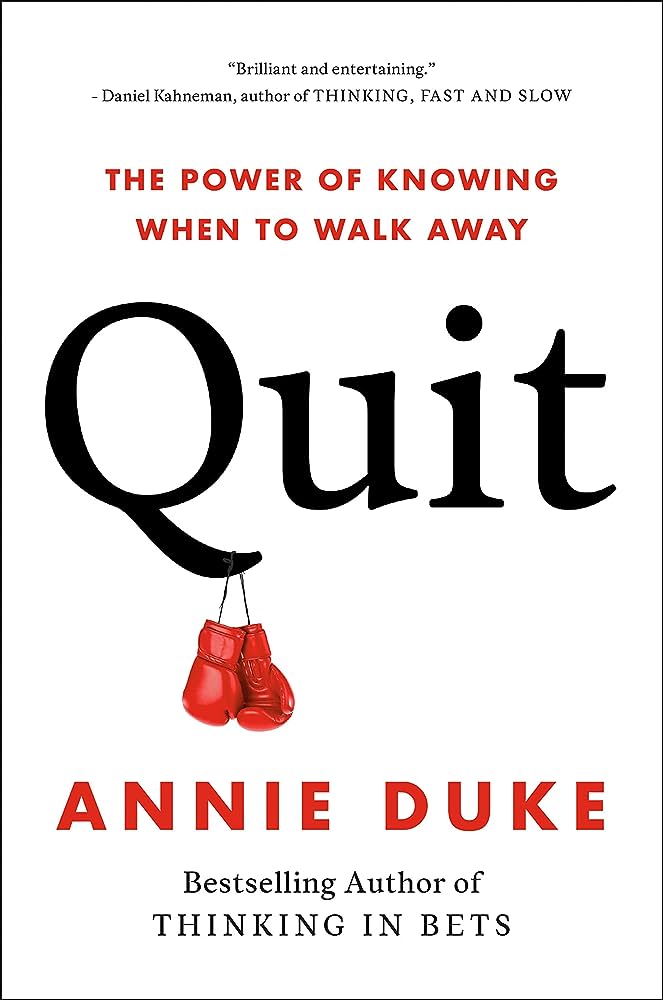


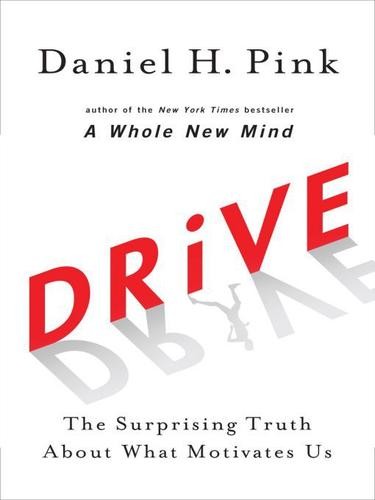
Keep what you read, not just what you finished.
Booksense times your sessions and pins every note to the page it came from, so a paragraph from page 174 is still yours a year later. Free on iOS.