
If the system lets you make the error, it is badly designed. And if the system induces you to make the error, then it is really badly designed.
How long will this one take you? Booksense times every session, so the answer comes from your own reading rather than a word count. Get Booksense free
About this book
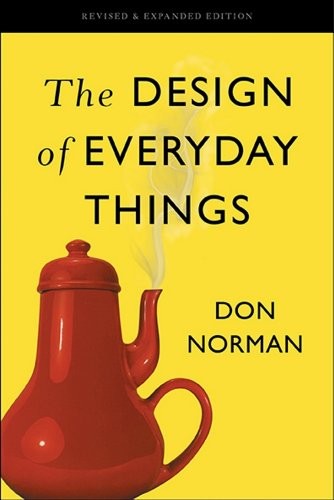
The Design of Everyday Things is a best-selling book by cognitive scientist and usability engineer Donald Norman. Originally published in 1988 with the title The Psychology of Everyday Things, it is often referred to by the initialisms POET and DOET. A new preface was added in 2002 and a revised and expanded edition was published in 2013. The book's premise is that design serves as the communication between object and user, and discusses how to optimize that conduit of communication in order to make the experience of using the object pleasurable. It argues that although people are often keen to blame themselves when objects appear to malfunction, it is not the fault of the user but rather the lack of intuitive guidance that should be present in the design. Norman uses case studies to describe the psychology behind what he deems good and bad design, and proposes design principles. The book spans several disciplines including behavioral psychology, ergonomics, and design practice.
Notes by reader
2 collectionsWhat readers marked
16 notes from readers tracking itEvery note on this page was taken in Booksense.
Time your reading sessions, keep highlights on the page they belong to, and watch a streak build. Free on iOS.