Daniel p. -5
VC has some drawbacks worth understanding, especially when it's raised too early in the life of one's venture.
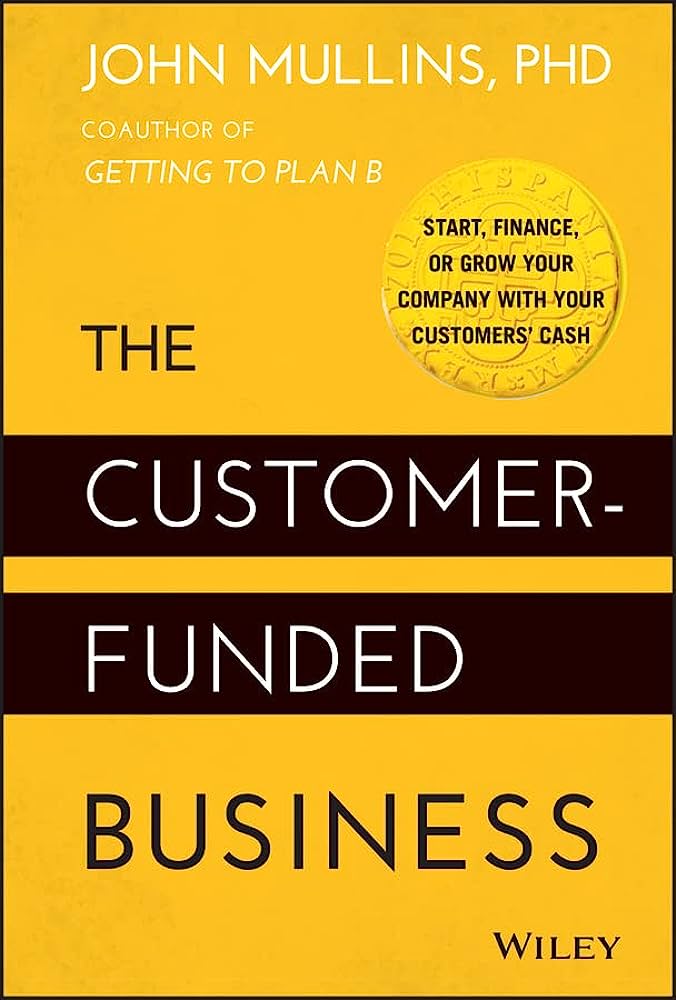
The Customer-Funded Business by John Mullins
VC has some drawbacks worth understanding, especially when it's raised too early in the life of one's venture.
new-venture success most often arrives in the shape of Plan B or Plan Z, not the Plan A that has been so lovingly articulated in the business plan.
There are material drawbacks to raising capital too early. Among the most daunting of them is that raising capital is a full-time job. Getting your venture underway is a full-time job, too. If you try to do both, one of them will inevitably suffer.
the evidence is compelling that the odds of success for VC-backed companies are far worse than most entrepreneurs realize.
• First, waiting to raise capital forces the entrepreneur's attention toward his or her customers, where it should be in the first place.
“if there's no paying customer—at least eventually—there's no business, either.”
• Second, winning customer orders often gives your customer a vested interest in your success. If they are happy to buy from you, they'll want you to stick around,
• Fourth, when venture capital is raised later, once customer traction is proven, the investor's risk is lower, meaning the terms and valuation are better, and making the founder's stake and perhaps control--more substantial, too.
So if you need cash for your next venture,I suggest you spend your time on your customers and your business, rather than on raising capital. Once you get customer traction, more capital is likely to follow, if you want it and need it.
by waiting to raise capital until proof points had been achieved--the magic of customer traction--raising capital, and more of it, became dramatically easier.
venture capitalist Bill Egan famously remarked, "You may have capital and a talented management team, but if you are fundamentally in a lousy business, you won't get the kind of results you would in a good business. All businesses aren't created equal.”
Booksense times your sessions and pins every note to the page it came from, so a paragraph from page 174 is still yours a year later. Free on iOS.