Daniel p. -3
Daniel
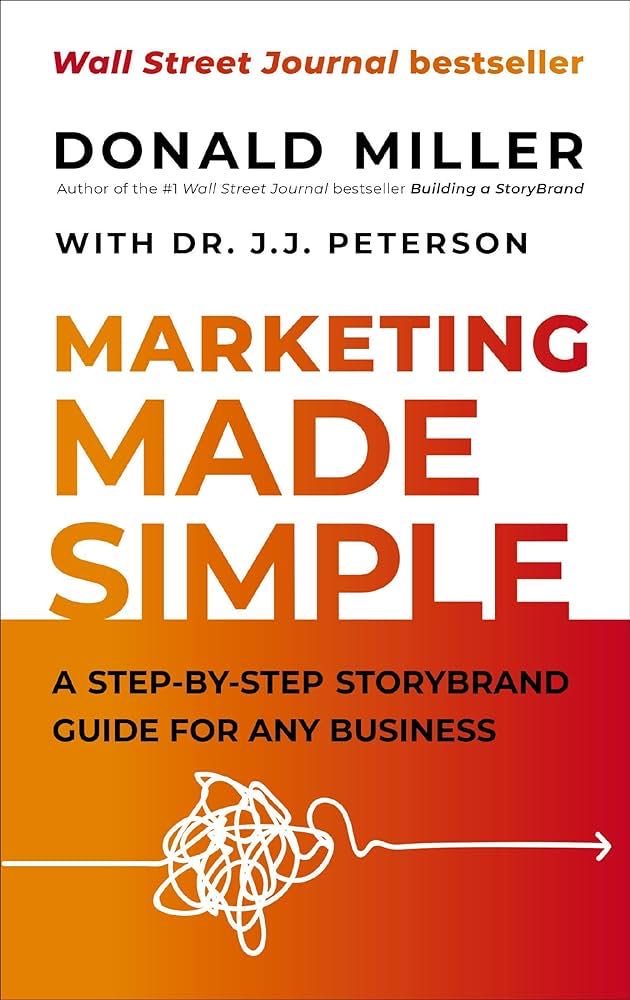
Daniel's notes on Marketing Made Simple
Marketing Made Simple by J.J. Peterson and Donald Miller
Their reading time 10h 33m
Notes 176
Progress 90%
Sittings 23
Daniel kept every one of these while reading. Scan the paragraph, it lands on the page it came from, and comes back for review later. Take your first note
176 notes
first 25, in reading order Daniel p. 4
Daniel p. 7
People Have to Get Curious and Enlightened Before They Commit.
Daniel p. 8
Daniel p. 8
Daniel p. 9
Stage 1: Curiosity Can this person, product, or service help me survive? The first stage of a relationship is curiosity.
Daniel p. 10
Daniel p. 10
A person, product, or brand that can help us survive or thrive activates a survival mechanism within us that piques our curiosity.
Daniel p. 11
Daniel p. 11
The point is this: if you don't tell somebody how you can help them survive, they will set you aside—or worse, discard you.
Daniel p. 11
Daniel p. 12
Daniel p. 12
Do You Get Past a Person's Curiosity Filter? The point is this: to pique somebody's curiosity, you must associate your products with something that will help them survive.
Daniel p. 12
Daniel p. 12
Do You Get Past a Person's Curiosity Filter? Instead of telling your story, the first stage of your marketing plan should pique a customer's curiosity about how their own story could be made better.
Daniel p. 13
Daniel p. 13
Daniel p. 13
After piquing your customers' curiosity on a website, in an email, or in some form of advertising or sales presentation, the next question they will likely ask is "but how?"
Daniel p. 14
Daniel p. 15
The answer to confusion is always no. If the header of your website, the first words of your proposal, of even the first thing you say in a keynote is meant to pique curiosity, the next idea you communicate should answer the "but how."
Daniel p. 16
Stage 3: Commitment The point at which your customer is asked to make a risky decision. The two main reasons customers do not place orders are because: 1. The brand never asked them for the sale, or 2. The brand asked them for a sale too early.
Daniel p. 16
The reason asking for a commitment too early in a relationship doesn't work is because a commitment is risky, and taking risks works against our survival mechanisms.
Daniel p. 16
Making our customers curious and then gradually enlightening them reduces the sense of risk and greatly increases the chance they will commit their hard-earned dollars on our products.
Daniel p. 21
Daniel p. 24
The problem is, nobody has heard of this company. A rookie mistake would be to "brand" the company rather than "market" the product.
Daniel p. 24
Branding affects how a customer feels about your brand, while marketing communicates a specific offer. Branding concerns itself with fonts…
Daniel p. 25
Repeating the same language in the same way in your one-liner, landing page, emails, and direct sales letters helps you brand yourself into…
Daniel p. 26
Consider answering these questions in your sales funnel: • What problem do you solve for customers? • What will your customer's life look…
151 more notes from Marketing Made Simple
Daniel kept 176 notes on this book, each one pinned to the page it came from.
Read the rest in the app


Keep what you read, not just what you finished.
Booksense times your sessions and pins every note to the page it came from, so a paragraph from page 174 is still yours a year later. Free on iOS.