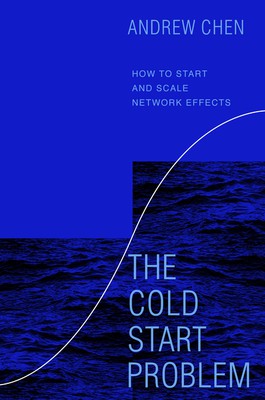
Intelligence is no guarantee of a rational decision-making, because we are all prone to a cascade of cognitive errors that undermine our logic.
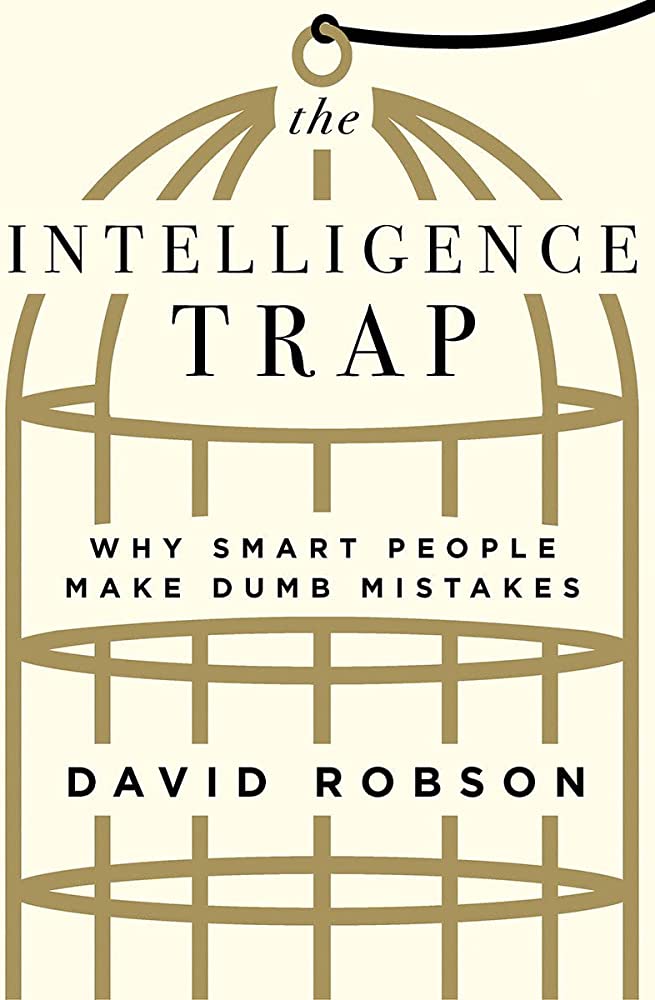
Notes like these take four seconds in Booksense. Scan the paragraph, it lands on the page it came from, and comes back for review later. Take your first note
18 notes
in reading orderThe more we know about the world, the more overconfident we can become in our predictions.
When we're stressed, our higher cognitive functions, such as our working memory and planning abilities, tend to be compromised.
Cognitive bias can be a kind of intellectual optical illusion, leading us to perceive a distorted reality.
Our brains are driven by two different thinking systems: one is intuitive and automatic, while the other is reflective and effortful.
Being too cautious can lead us to miss out on valuable opportunities.
We are more likely to take risks when we think we have control, even if that control is illusory.
Highly intelligent individuals are better at constructing narratives and finding explanations, even if they are wrong.
The Intelligence Trap is a metacognitive skill, the art of thinking critically about our own thinking.
We are evolutionarily programmed to accept evidence that supports our beliefs and to reject information that contradicts them.
Many of us are uncomfortable with uncertainty, and we are more likely to fall into the trap when we try to suppress doubt.
We have a strong tendency to think in terms of dichotomies, even when the world is more complex and nuanced.
Intelligence is only as good as the quality of our knowledge and the depth of our reasoning.
We should be open to the possibility that we are wrong, even about deeply ingrained beliefs.
Our ability to learn from our mistakes is limited by our willingness to admit them.
Emotions play a crucial role in shaping our decision-making, often in ways we don't even realize.
We are far better at identifying the flaws in other people's thinking than in our own.
The more we expose ourselves to alternative viewpoints and diverse perspectives, the more resilient our thinking becomes.
Keep what you read, not just what you finished.
Booksense times your sessions and pins every note to the page it came from, so a paragraph from page 174 is still yours a year later. Free on iOS.