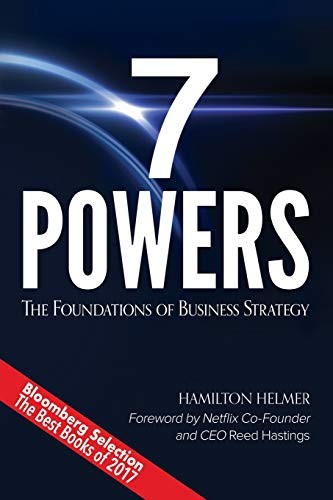
A strategy is a system of actions intended to achieve a goal.
Notes like these take four seconds in Booksense. Scan the paragraph, it lands on the page it came from, and comes back for review later. Take your first note
16 notes
in reading orderStrategy is a match between your internal capabilities and external possibilities.
A great strategy is at the intersection of three critical elements: what you believe, where you play, and how you win.
Economies of scale, network effects, counterpositioning, and switching costs are some of the most powerful forces shaping strategy
The true power of a business concept lies in its strategic consequences.
A force is an element of a firm’s strategy that is a source of its exceptional profitability.
A differentiated strategy means committing to a distinct set of activities.
The art of leverage strategy is deciding where to apply your force.
Positioning is the art of focusing your strategy on the place where your forces will have the greatest impact.
Switching costs are a powerful source of competitive advantage.
High customer captivity often produces a combination of pricing power and cost efficiency.
Networking power comes from the interaction of customers.
Countering the conventional wisdom is a potent source of strategic power.
A great strategy is based on internal and external insights that others don’t understand.
The structure of your industry is the result of underlying technological and economic forces.
A good business concept only becomes a powerful one if your competitors can’t or won’t copy it.







Keep what you read, not just what you finished.
Booksense times your sessions and pins every note to the page it came from, so a paragraph from page 174 is still yours a year later. Free on iOS.