The truth may be puzzling. It may take some work to grapple with. It may be counterintuitive. It may contradict deeply held prejudices. It may not be consonant with what we desperately want to be true. But our preferences do not determine what's true.
How long will this one take you? Booksense times every session, so the answer comes from your own reading rather than a word count. Get Booksense free
About this book
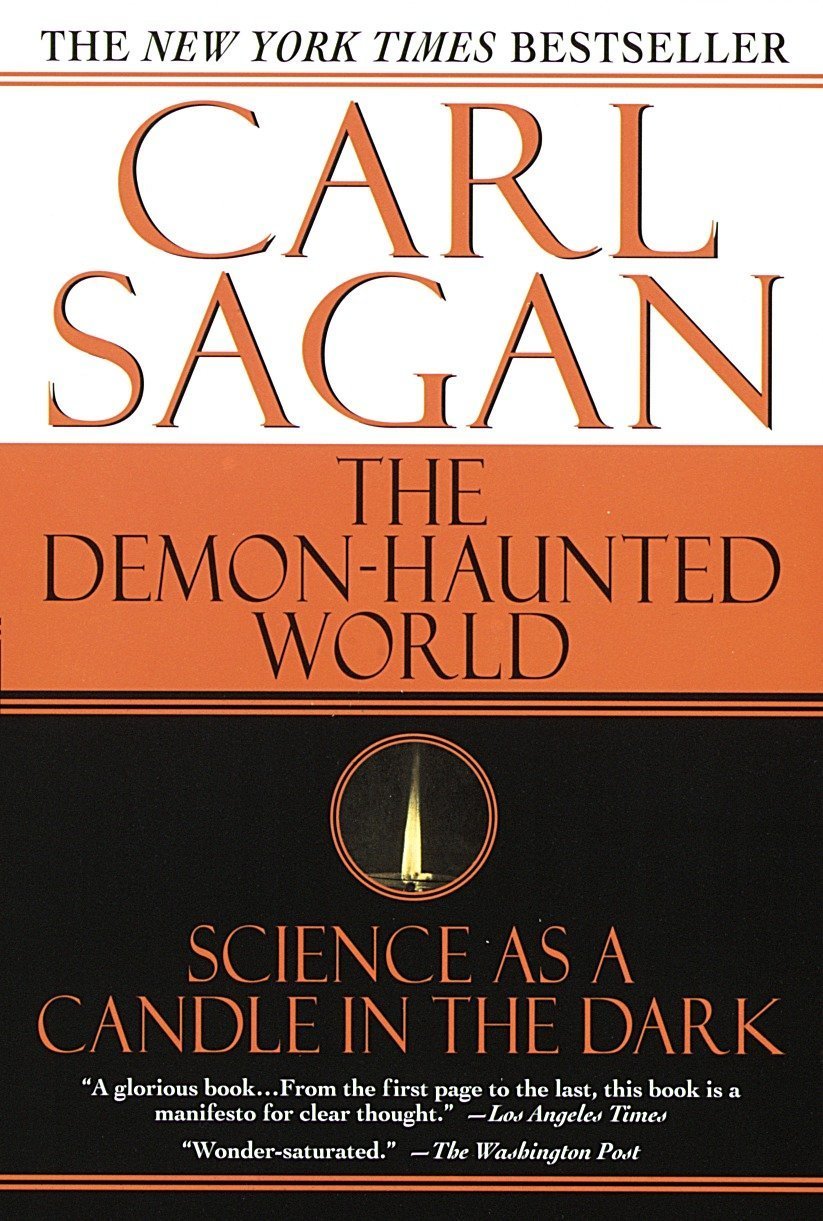
A prescient warning of a future we now inhabit, where fake news stories and Internet conspiracy theories play to a disaffected American populace “A glorious book . . . A spirited defense of science . . . From the first page to the last, this book is a manifesto for clear thought.”—Los Angeles Times How can we make intelligent decisions about our increasingly technology-driven lives if we don’t understand the difference between the myths of pseudoscience and the testable hypotheses of science? Pulitzer Prize-winning author and distinguished astronomer Carl Sagan argues that scientific thinking is critical not only to the pursuit of truth but to the very well-being of our democratic institutions. Casting a wide net through history and culture, Sagan examines and authoritatively debunks such celebrated fallacies of the past as witchcraft, faith healing, demons, and UFOs. And yet, disturbingly, in today's so-called information age, pseudoscience is burgeoning with stories of alien abduction, channeling past lives, and communal hallucinations commanding growing attention and respect. As Sagan demonstrates with lucid eloquence, the siren song of unreason is not just a cultural wrong turn but a dangerous plunge into darkness that threatens our most basic freedoms.
Notes by reader
2 collectionsWhat readers marked
3 notes from readers tracking itEvery note on this page was taken in Booksense.
Time your reading sessions, keep highlights on the page they belong to, and watch a streak build. Free on iOS.