Daniel p. 26
Undernourishment, besides being the cause of the general preoccupation with food, probably also explains the fact that the sexual urge was generally absent.
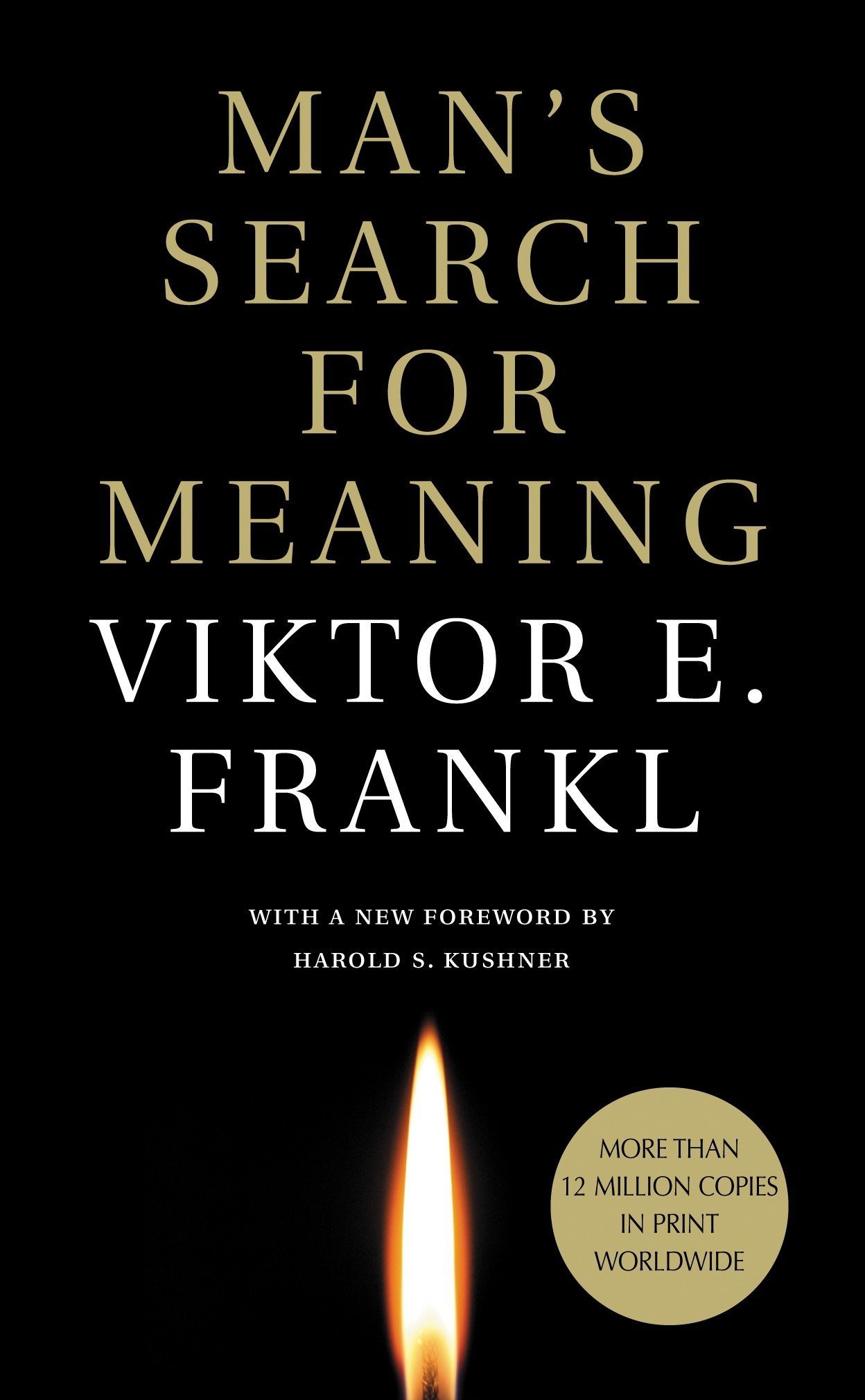
The Classic Tribute To Hope From The Holocaust
Man's Search for Meaning (German: ... trotzdem Ja zum Leben sagen. Ein Psychologe erlebt das Konzentrationslager, lit. '... Say Yes to Life nonetheless: A Psychologist Experiences the Concentration Camp') is a 1946 book by Viktor Frankl chronicling his experiences as a prisoner in Nazi concentration camps during World War II, and describing his psychotherapeutic method, which involved identifying a purpose to each person's life through one of three ways: the completion of tasks, caring for another person, or finding meaning by facing suffering with dignity. Frankl observed that among the fellow inmates in the concentration camp, those who survived were able to connect with a purpose in life to feel positive about and who then immersed themselves in imagining that purpose in their own way, such as conversing with an (imagined) loved one. According to Frankl, the way a prisoner imagined the future affected their longevity. The book intends to answer the question "How was everyday life in a concentration camp reflected in the mind of the average prisoner?" Part One constitutes Frankl's analysis of his experiences in the concentration camps, while Part Two introduces his ideas of meaning and his theory for the link between people's health and their sense of meaning in life. He called this theory logotherapy, and there are now multiple logotherapy institutes around the world. According to a survey conducted by the Book-of-the-Month Club and the Library of Congress, Man's Search for Meaning belongs to a list of "the ten most influential books in the United States." At the time of the author's death in 1997, the book had sold over 10 million copies and had been translated into 24 languages.
Undernourishment, besides being the cause of the general preoccupation with food, probably also explains the fact that the sexual urge was generally absent.
'Everything,' he once wrote, 'can be taken from a man or a woman but one thing: the last of human freedoms to choose one's attitude in any given set of circumstances, to choose one's own way.'
Time your reading sessions, keep highlights on the page they belong to, and watch a streak build. Free on iOS.